[긴급] 귤껍질 '이것' 때문에 10만원 과태료? 🚨 음식물 쓰레기 vs 일반 쓰레기, 헷갈리는 분리수거 기준 총정리
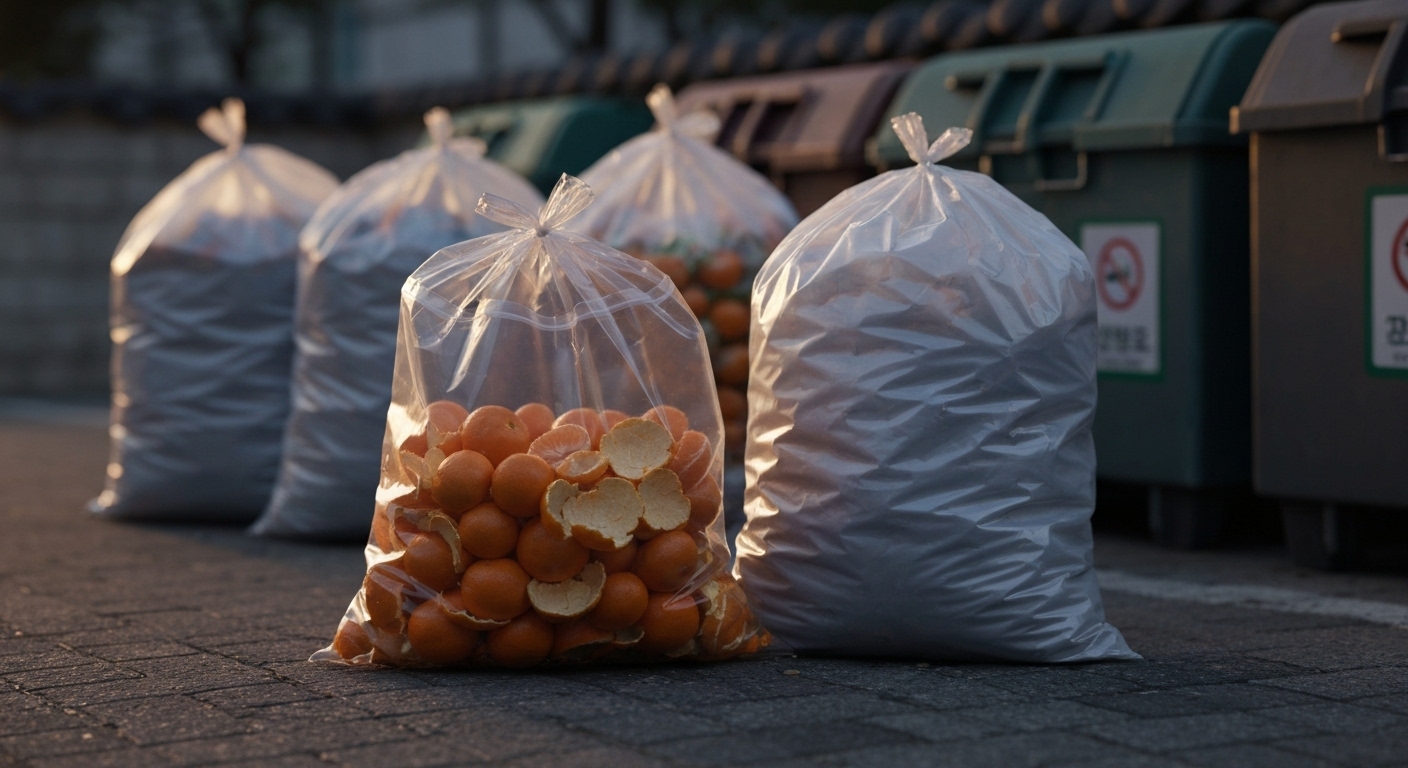
찬 바람이 불면 자연스레 생각나는 겨울 간식, 바로 귤이죠. 따뜻한 방에서 이불 덮고 귤을 까먹는 소소한 행복은 겨울의 특권입니다. 그런데 이 달콤한 귤이 남긴 껍질 때문에 10만 원짜리 과태료를 물게 될 수도 있다는 사실, 알고 계셨나요? 😱
최근 온라인 커뮤니티에는 "껍질이니까 당연히 일반쓰레기 아니야?"라고 생각하고 종량제 봉투에 귤껍질을 버렸다가 억울하게 과태료를 부과받는 사례가 끊이지 않고 있어요. 특히 귤 소비량이 폭증하는 겨울철은 지자체의 집중 단속 기간이기도 하니, 지금 바로 확인해 봐야 합니다.
이 혼란을 확실하게 잠재우고, 억울한 과태료를 피할 수 있는 음식물 쓰레기 분리배출의 확실한 기준을 명쾌하게 정리해 드릴게요. 이 원리 하나만 이해하면, 앞으로 어떤 쓰레기가 나와도 헷갈릴 일이 없을 거예요.
Emergency: 100,000 KRW Fine for This Citrus Peel Mistake? 🚨 Food Waste vs. General Trash Guide
As the cold wind blows, our thoughts naturally turn to the quintessential winter snack: tangerines (or mandarins). That simple pleasure of cozying up under a blanket and peeling a citrus fruit is a winter privilege. But did you know that the peel left behind by this sweet treat could potentially land you a 100,000 KRW fine? 😱
Recently, online communities have seen countless frustrated posts from people who mistakenly threw citrus peels into standard trash bags, believing them to be general waste, only to be unfairly fined. Since tangerine consumption spikes in winter, local governments often designate this period for intensive enforcement.
Let's clear up this confusion once and for all. We'll provide a clear guide to the definitive standard for separating food waste, helping you avoid those unfair fines. Once you understand this core principle, you'll never be confused about what goes where again.
목차
- 음식물 쓰레기, '먹을 수 있느냐'의 확실한 기준
- 귤껍질은 왜 음식물 쓰레기일까요? (생활 팁 포함)
- 헷갈려서 과태료 내는 '일반 쓰레기' 품목 총정리
- 지역별 혼란, 이제는 끝날까요? (최신 지침 확인)
Table of Contents
1. The True Standard for Food Waste: Can It Be Eaten?
2. Why Citrus Peels are Food Waste (Plus a Handy Tip)
3. General Trash Items That Often Lead to Fines (Comprehensive List)
4. Will Regional Confusion End Soon? (Latest Guidelines)
1. 음식물 쓰레기, '먹을 수 있느냐'의 확실한 기준
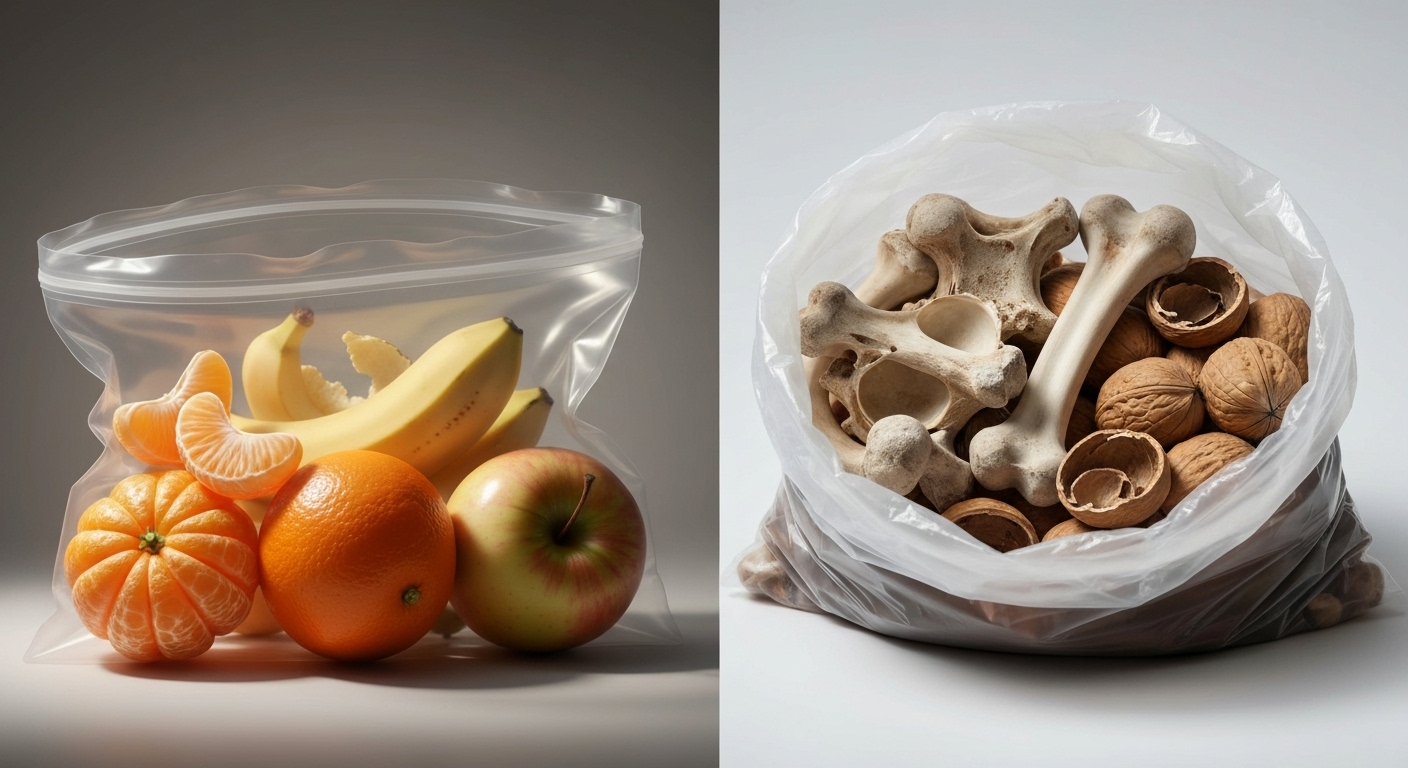
많은 분들이 '먹는 것'과 '안 먹는 것'으로 음식물 쓰레기를 구분하지만, 이게 바로 오해를 낳는 가장 큰 함정입니다. 음식물 쓰레기와 일반 쓰레기를 구분하는 가장 정확하고 쉬운 기준은 바로 '가축의 사료로 사용 가능한지' 여부예요.
우리나라에서 수거된 음식물 쓰레기는 단순히 버려지는 게 아니라, 가축 사료나 농업용 퇴비, 바이오 연료 등으로 재활용됩니다. 그러니까 재활용 과정에 적합한, 즉 동물이 먹을 수 있고 분쇄 설비에 무리를 주지 않으며 퇴비로 잘 분해될 수 있는 유기물만 음식물 쓰레기로 분류되는 거죠.
1. The True Standard for Food Waste: Can It Be Eaten?
Many people distinguish food waste by simply asking, "Is it edible or not?" But this is the biggest trap leading to mistakes. The most accurate and easiest standard for separating food waste from general trash is: Can it be used as animal feed?
In Korea, collected food waste isn't just thrown away; it's recycled into animal feed, agricultural compost, or bio-fuel. Therefore, only organic materials suitable for the recycling process—meaning they can be eaten by animals, won't damage grinding equipment, and decompose easily into compost—are classified as food waste.
2. 귤껍질은 왜 음식물 쓰레기일까요?
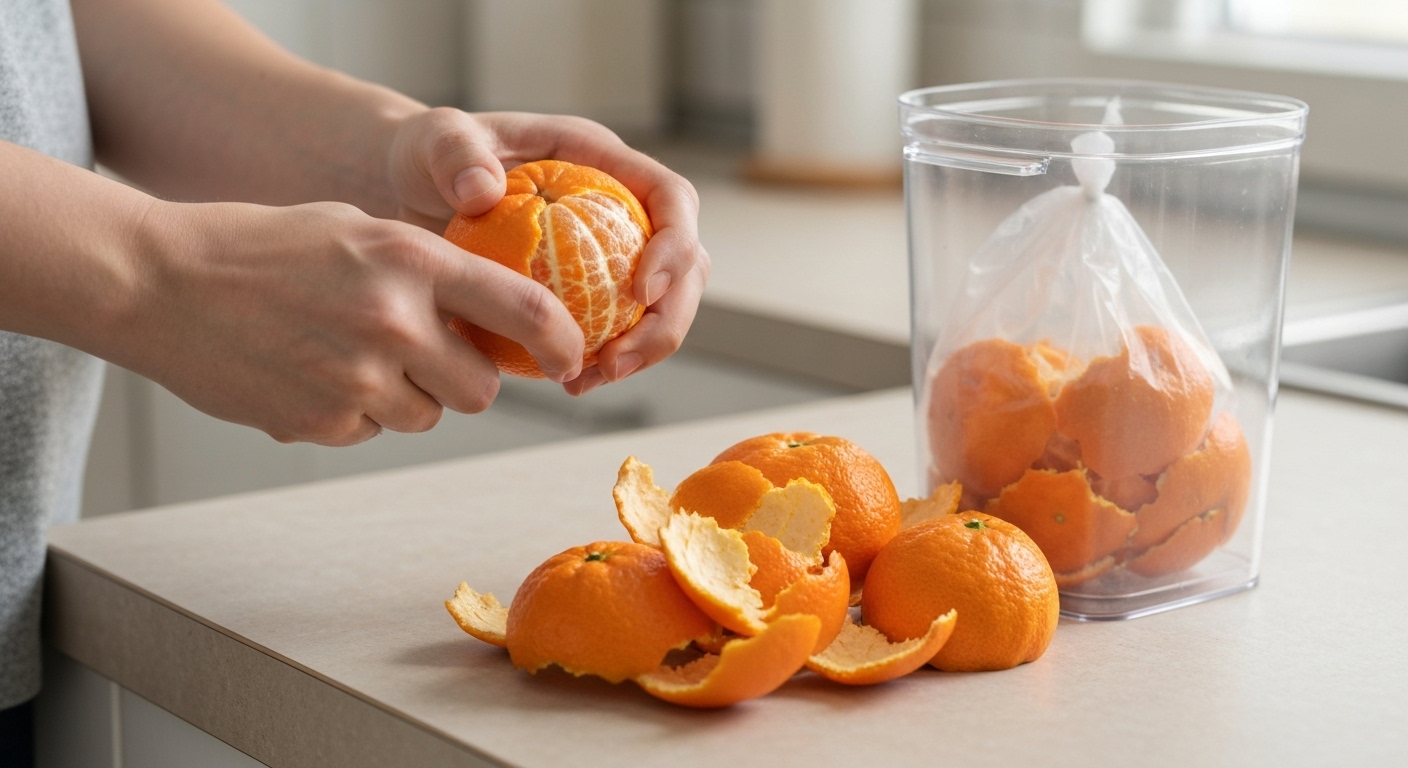
귤껍질은 상대적으로 부드럽고 수분이 많아 가축이 섭취하는 데 문제가 없고, 퇴비로도 쉽게 분해됩니다. 따라서 귤을 포함해 바나나, 사과, 배, 포도, 수박, 참외, 멜론 등 껍질이 부드러운 과일은 모두 음식물 쓰레기로 배출해야 해요.
💡 생활 팁: 냄새 없이 귤껍질 버리는 법
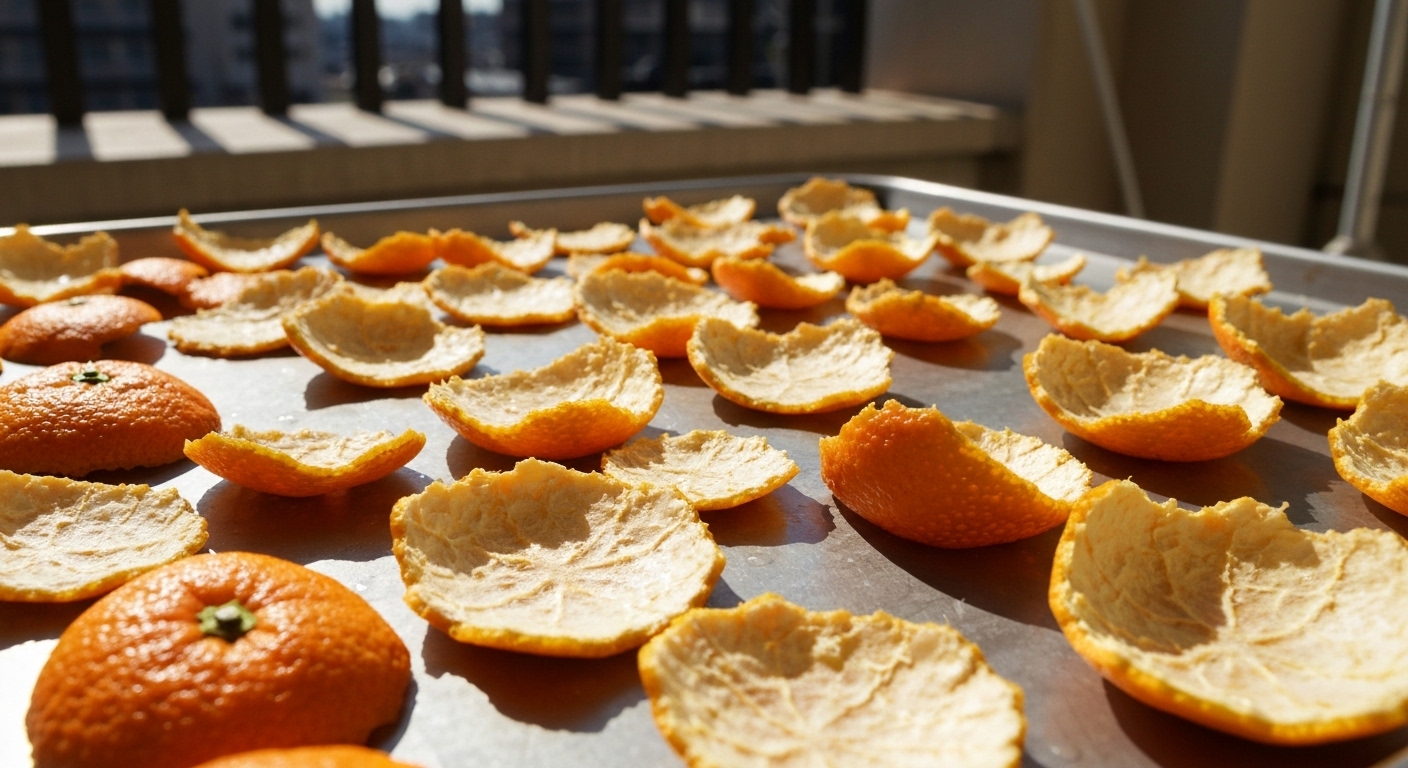
귤껍질은 수분이 많아 냄새가 나기 쉽죠. 버리기 전에 베란다 등에서 하루 이틀 말려서 버리면 냄새도 줄고 부피도 줄어들어 훨씬 위생적입니다. 말린 귤껍질 역시 부드러운 유기물이기 때문에 음식물 쓰레기예요.
2. Why Citrus Peels are Food Waste
Citrus peels are relatively soft and high in moisture, meaning they pose no problem for animal consumption and decompose easily into compost. Consequently, soft fruit peels, including tangerines, bananas, apples, pears, grapes, watermelon, oriental melons, and cantaloupes, must all be disposed of as food waste.
💡 Life Hack: How to Dispose of Peels Without Odor
Citrus peels can be smelly due to their high moisture content. Before disposal, try drying them on a balcony for a day or two. This reduces odor and volume, making disposal much more hygienic. Dried peels are still soft organic matter, so they remain food waste.
3. 헷갈려서 과태료 내는 '일반 쓰레기' 품목 총정리
'사료 가능 여부'라는 기준을 적용하면, 우리가 흔히 음식물 쓰레기로 착각하는 많은 품목들이 사실은 일반 쓰레기라는 것을 알 수 있습니다. 이들은 가축의 소화에 방해가 되거나, 분쇄기를 고장 낼 수 있는 '위험 요소'들이에요.
1) 딱딱한 껍질 및 씨앗 (분쇄 설비 고장 유발)
- 복숭아, 자두, 살구, 감, 체리 씨앗: 단단해서 분쇄 설비 고장 유발 및 가축 섭취가 불가능합니다.
- 호두, 밤, 땅콩, 코코넛 껍데기: 딱딱해서 분해가 어렵고 사료로 부적합합니다.
2) 질기거나 독성이 있는 껍질 및 뿌리 (가축 소화 방해)
- 양파, 마늘, 대파, 옥수수 껍질: 가축의 소화 능력을 떨어뜨리는 성분이 포함되어 있고 냄새가 강해요.
- 시들고 질긴 배추 겉잎: 섬유질이 질겨서 가축이 잘 먹지 않습니다.
3) 동물성 폐기물 및 석회질 (사료 부적합)
- 육류 뼈, 생선 가시, 내장, 비계: 사료로 사용할 수 없습니다.
- 달걀, 메추리알, 타조알 껍질: 석회질이 포함되어 있어 사료나 비료로 사용하기 부적합해요.
- 조개껍데기, 게딱지, 새우/가재 껍질: 딱딱한 석회질 성분입니다.
4) 염분이 많은 음식 (사료 사용 어려움)
- 된장, 고추장, 간장, 염분 많은 김치: 염분이 많아 가축 사료로 사용하기 어렵습니다.
📌 김장철 팁: 염분이 많은 김치는 양념을 물로 깨끗이 헹궈낸 후에는 음식물 쓰레기로 버릴 수 있어요.
3. General Trash Items That Often Lead to Fines (Comprehensive List)
Applying the "animal feed suitability" standard reveals that many items we commonly mistake for food waste are actually general trash. These items are considered 'hazards' because they can obstruct animal digestion or break down grinding machinery.
1) Hard Shells and Seeds (Cause Grinding Equipment Failure)
● Peach, Plum, Apricot, Persimmon, and Cherry Pits/Seeds: They are too hard, causing equipment failure and being inedible for livestock.
● Walnut, Chestnut, Peanut, and Coconut Shells: They are hard, difficult to decompose, and unsuitable for feed.
2) Fibrous or Toxic Peels and Roots (Obstruct Animal Digestion)
● Onion, Garlic, Green Onion, and Corn Husks/Peels: They contain components that reduce livestock's digestive ability and have strong odors.
● Wilted and Tough Cabbage Outer Leaves: The fiber is too tough for livestock to eat easily.
3) Animal Byproducts and Calcareous Materials (Unsuitable for Feed)
● Meat Bones, Fish Bones, Organs, and Fat Trimmings: Cannot be used as feed.
● Egg, Quail Egg, and Ostrich Egg Shells: Contain calcium carbonate (lime), making them unsuitable for feed or fertilizer.
● Clam Shells, Crab Shells, Shrimp/Crayfish Shells: Hard, calcareous components.
4) High-Salt Foods (Difficult to Use as Feed)
● Soybean Paste (Doenjang), Red Pepper Paste (Gochujang), Soy Sauce, and High-Salt Kimchi: High salt content makes them difficult to use as animal feed.
📌 Kimchi Season Tip: If you rinse the seasoning off high-salt kimchi with water, the remaining cabbage can be disposed of as food waste.
4. 지역별 혼란, 이제는 끝날까요? (최신 지침 확인)
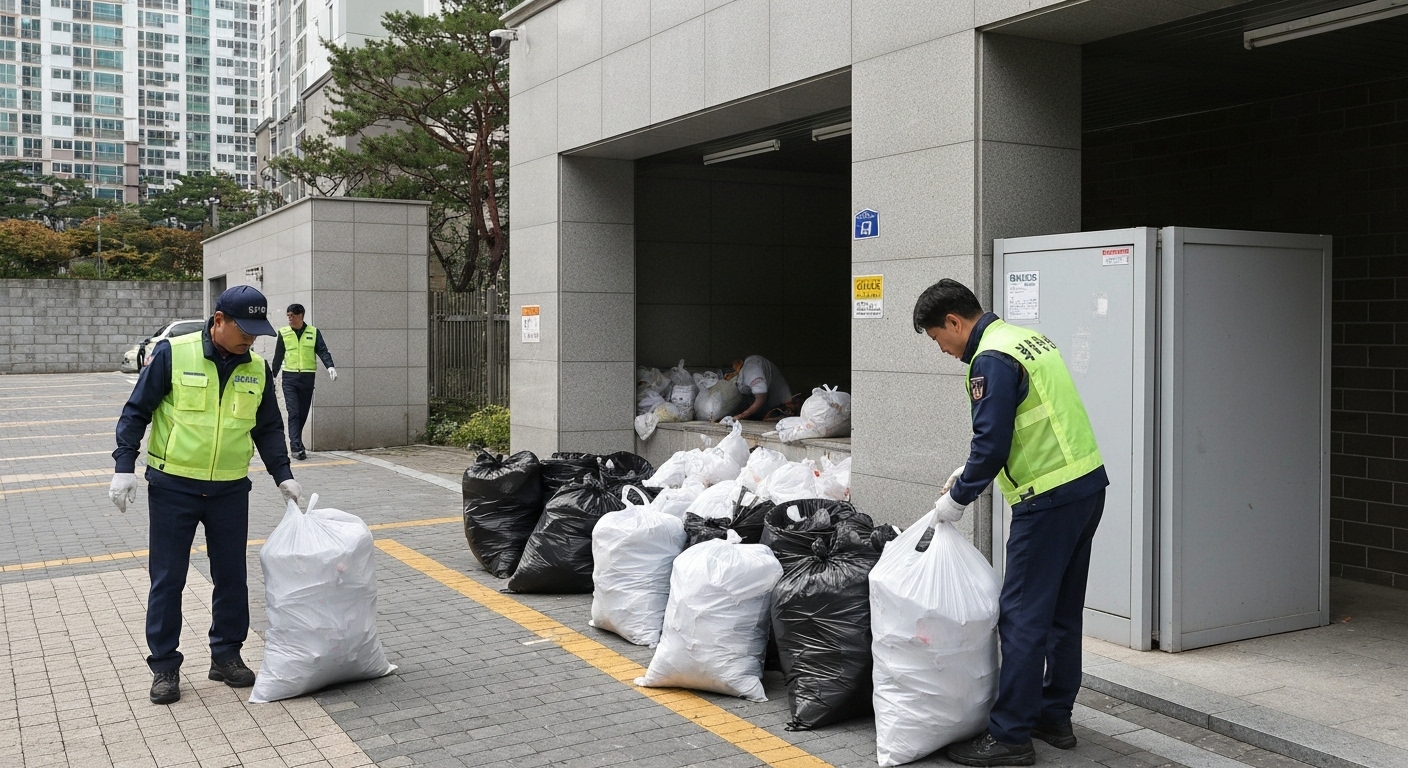
쓰레기 분리배출 기준이 각 지자체의 조례에 따라 정해지기 때문에, 지역마다 기준이 조금씩 달라 시민들이 혼란을 겪는 경우가 많았죠. 이러한 일관성 없는 행정은 억울한 과태료 부과로 이어지기도 했고요.
📢 희소식! 지자체 기준 통일 움직임
다행히 최근에는 이러한 시민들의 혼란을 줄이기 위한 지자체의 노력이 활발합니다. 특히 서울시는 25개 자치구에 공통으로 적용할 수 있는 '음식물쓰레기 분리배출 표준안'을 마련하고 시행을 추진 중이에요. 이러한 통일 기준이 전국으로 확산된다면, 분리수거 때문에 머리 아플 일은 크게 줄어들 것으로 기대됩니다.
✅ 헷갈릴 때, 이렇게 확인하세요
- 거주지 관할 구청에 문의: 가장 정확한 정보를 얻을 수 있습니다. 구청 청소행정과나 자원순환과에 전화해서 문의해 보세요.
- 환경부 앱 활용: 환경부와 한국환경공단에서 출시한 '내 손 안의 분리배출' 앱을 이용하면 품목별 분리배출 요령을 쉽게 검색할 수 있어요.
4. Will Regional Confusion End Soon? (Latest Guidelines)
Waste separation standards are determined by local government ordinances, which often leads to confusion when citizens move between regions. This lack of consistency has unfortunately resulted in many unfair fines.
📢 Good News! Local Governments are Moving Towards Standardization
Fortunately, local governments are actively working to reduce this confusion. Notably, the Seoul Metropolitan Government is preparing and implementing a 'Food Waste Separation Standard Plan' to be applied commonly across its 25 districts. If these unified standards spread nationwide, the headaches caused by waste separation should significantly decrease.
✅ When in Doubt, Check Here:
1 Contact Your Local District Office (Gu-Cheong): This is the most accurate source of information. Call the Cleaning Administration or Resource Circulation Department.
2 Use the Ministry of Environment App: The 'Nae Son An-ui Bunri Baechool' (Separation in My Hand) app, released by the Ministry of Environment and the Korea Environment Corporation, allows you to easily search for disposal guidelines by item.
🎁 환경을 위한 작은 실천
올바른 분리수거는 단순히 10만 원의 과태료를 피하는 것을 넘어, 소중한 자원을 순환시키고 환경을 지키는 중요한 실천입니다.
오늘 알려드린 '가축 사료 가능 여부' 기준과 '일반 쓰레기 리스트'만 잘 기억해 두시면, 앞으로는 쓰레기 때문에 스트레스받을 일도, 억울하게 과태료를 낼 일도 없을 거예요.
이 정보가 도움이 되셨다면, 주변의 가족이나 이웃분들께도 꼭 공유해 주세요. 몰라서 당하는 억울한 과태료를 막아줄 수 있는 최고의 생활 꿀팁이 될 겁니다!
여러분의 분리수거 습관, 지금 바로 점검해 보세요! 궁금한 점이 있다면 댓글로 질문 남겨주세요. 성심성의껏 답변드리겠습니다!
🎁 A Small Step for the Environment
Proper waste separation is more than just avoiding a 100,000 KRW fine; it's a crucial practice for recycling valuable resources and protecting the environment.
If you remember today's guide—the 'Animal Feed Suitability' standard and the 'General Trash List'—you won't have to stress over waste or face unfair fines again.
If you found this information helpful, please share it with your family and neighbors. It could be the best life hack they receive, saving them from an unexpected fine!
Check your waste habits right now! If you have any lingering questions, please leave a comment below. I will answer them sincerely.
📌 BTS 완전체 컴백 임박! 2026년 봄 신보·월드투어 + OT7 리허설 현장 신호 총정리 (KOR/ENG)
[D-Day] "미치도록 보고 싶다" BTS 완전체, 마침내 팬들에게 돌아오는 시간 군백기를 끝내고 돌아온 방탄소년단(BTS) 멤버들이 팬들과의 라이브 소통에서 "빨리 활동하고 싶어 미쳐버리겠다"는 솔직
choonsik-office.tistory.com
'오늘을 사는 지혜_Modern Wisdom_' 카테고리의 다른 글
| ★ 충격 단독 ★ 제네시스 G80 하이브리드 ‘6,500만 원대’ 가격 유력! (KOR/ENG) (0) | 2025.12.27 |
|---|---|
| 무주 덕유산 케이블카 예약 꿀팁|눈꽃 보러 갔다가 매진 (KOR/ENG) (1) | 2025.12.26 |
| 📌 BTS 완전체 컴백 임박! 2026년 봄 신보·월드투어 + OT7 리허설 현장 신호 총정리 (KOR/ENG) (1) | 2025.12.24 |
| 2026 NBA 올스타 팬투표 시작|‘미국 vs 세계’ 확정, 3-for-1 데이 놓치면 손해 (KOR/ENG) (0) | 2025.12.23 |
| [단독] 다저스·오타니의 1조6000억 지급 유예 계약의 진실 — MLB 재정 판도를 바꾼 '할부의 마법'과 공정 경쟁 논란 (KOR/ENG) (0) | 2025.12.22 |


